
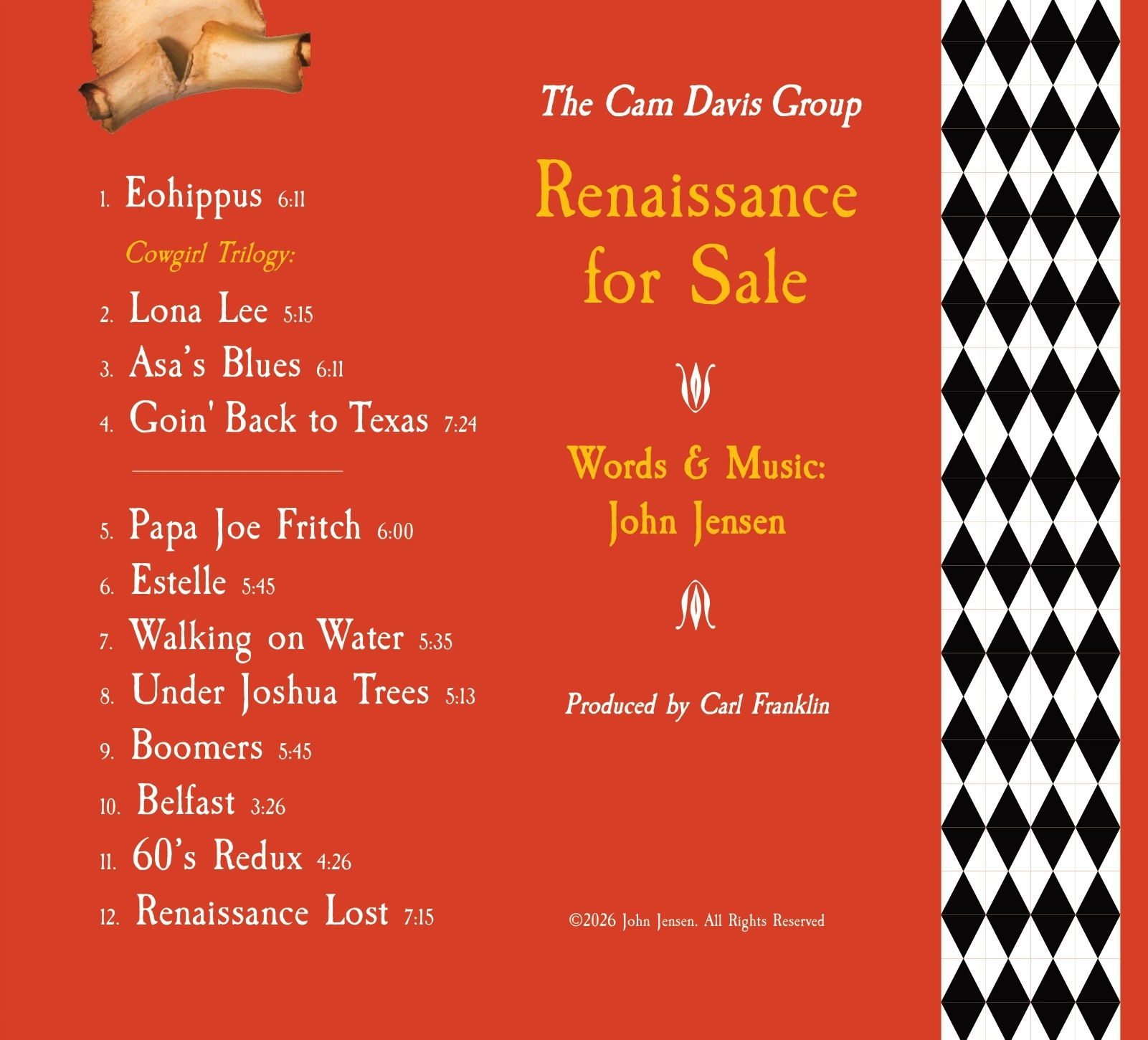
The Cam Davis Group
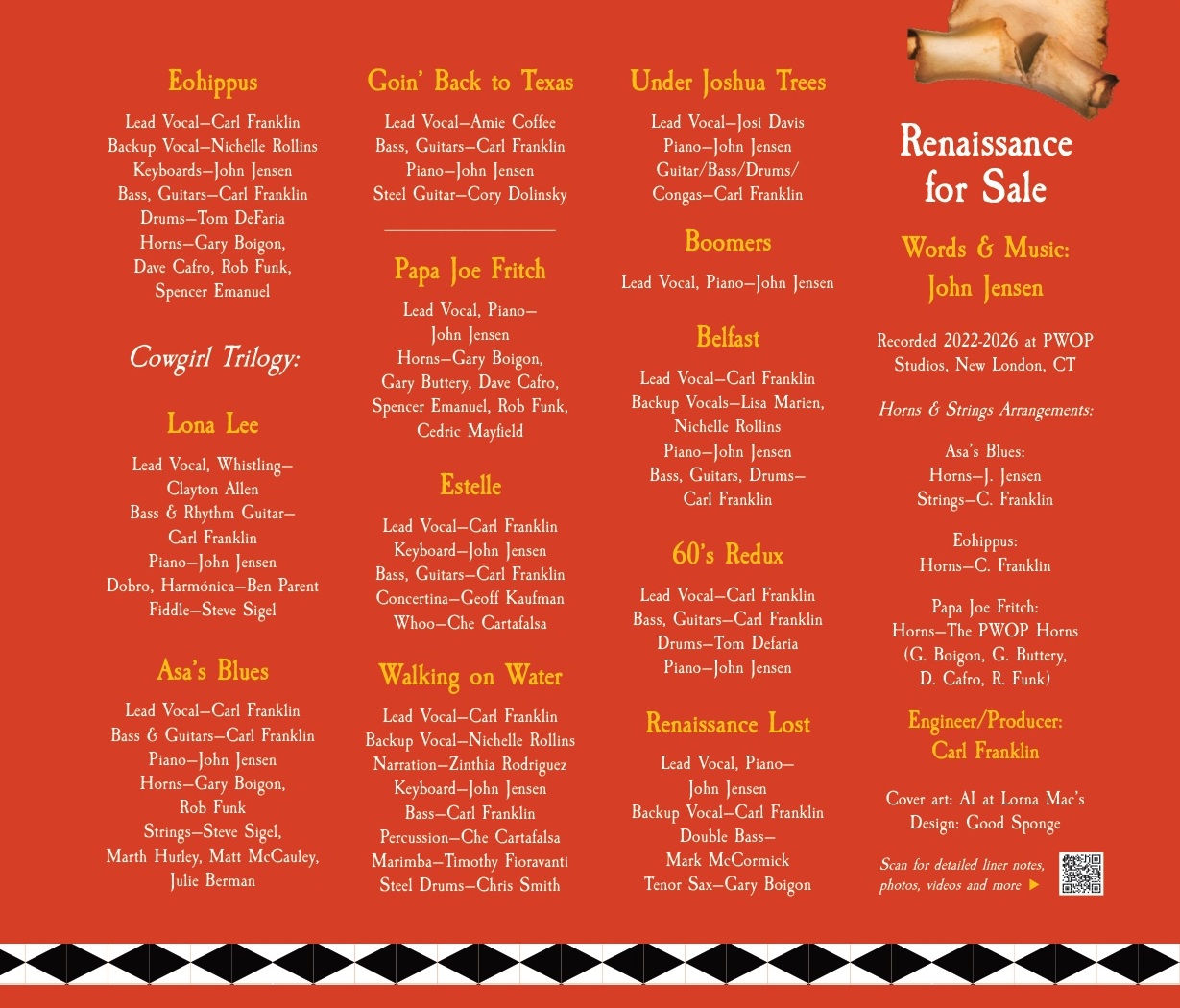
Words & Music: John Jensen · Produced by Carl Franklin
Recorded 2022–2026 at PWOP Studios, New London, CT
I saw an eohippus grazing under a eucalyptus tree.
I know you might think that I’m crazy but I am certain I did see.
Colors I saw where he was grazing yellows and reds and blues and greens.
I saw an eohippus grazing I know it wasn’t Pleistocene.
Mind doesn’t wear a brain forever inside/out it’s always Being
Tele-o-pathic travel took me to-o this place so serene.
I know you might think that I’m crazy. You were there why didn’t you see?
I saw an eohippus grazing under a eucalyptus tree.
There he-e was amongst the colors full as life could ever be.
I think it must be you that’s crazy. Cause, I’m certain I did see….
You and me, underneath that ancient tree
Eohippus, you and me, just we three….
Somehow, I see mystically… people laughing,
Loving life… Eohippus, me and the wife… free….
Solos/Ad Lib Lyrics
A Cappella
I saw an eohippus grazing under a eucalyptus tree
Me and my lover we was takin’ cover under that ancient mystic tree… uh huh.
Me and my man.
under a eucalyptus tree….
under a eucalyptus tree….
(repeat and fade)
Cowgirl Trilogy:
Oh, Lona Lee, won’t you marry me? I’m an old cowhand I wanna be your man.
Oh, Lona Lee ya just gotta see. You and me we was meant to be.
I’m a whoopin’ an’ a hollerin’ like a young colt in the spring.
Just runnin’ ‘round and ‘round tellin’ everyone in town I can see.
You and me we was meant to be. It was written in the book of Jubilee.
Oh, Lona Lee we’ll raise a family, and build a home on the ol’ prairie.
The blue bonnets will smile on your kind, kind heart.
There ain’t no storm clouds gonna ever keep us apart.
SOLO
Oh, Lona Lee you mean the world to me. I love you so much and that’s eternally.
So, Lona Lee, let’s you and me go hand in hand and see the preacher man.
The blue bonnets will smile on your kind, kind heart.
There ain’t no storm clouds gonna ever keep us apart.
Oh, Lona Lee whippoorwill’s gonna sing… all day long our favorite song.
Oh, Lona Lee, won’t you marry me? And all our lives we’ll be in paradise.
(Whistle over verse … fade out.)
Who’ll bring you flowers in the middle of the night
An’ though I’ve bummed for hours, drag ass t’see if you’re all right
An’ I don’t like the sitiation any more than you do, my love.
Any more than you do….
I’m standin’ here at the crossroads. My feet are grindin’ sand.
A suitcase full of troubles, I’m doin’ the best I can.
An’ I don’t like the sitiation any more than you do, my love.
Any more than you do….
Night… an’ the stars are shining bright. Strangest thing to me.
How’d they get that light? ‘Cause in the daytime they’re cryin’
Just tryin’ to be seen. An’ they didn’t like the sitiation Pythagoras dreamed,
Pythagoras dreamed; Pythagoras dreamed. And they don’t like the sitiation
Any more than we do. Any more than we you do.
When can I come home girl? When can I come home to you?
When can I come home girl, to you, to you?
I can see you in the garden. A smile on your face.
and feel your warm and tender embrace.
I can still feel the sunshine warmin’ that cold mornin’ air
And catch the summer breezes playin’ with your hair.
And I want to come home girl. I just want to come home.
Because I want to, I need to, I have to, I got to, I got to, I got to.
come home girl. Ho oh oh home girl yeah….
Guitar Solo
Because I want to, I need to, I have to, I got to, I got to, I got to
come home girl. whoa whoa home girl….
Coda:
Alpha Centauri is so far away.
In the spring of 1929 life seemed so kind.
No one knew the crash would come and we didn’t pay New York no mind.
We didn’t see the crime… didn’t have the time.
We were livin’ in Eden: white picket fences and soft easy times.
Nestled in the Lone Star State and the yellow rose was mine.
Sweeter than wine…the flowers were mine.
Then in the summer Papa standing over the grave.
And the rains came pourin’ down and washed all the flowers away.
When Mama passed away. It rained the whole day.
That’s why I’m goin’ back to Texas, if only in my mind.
Goin’ back down to Texas to find the child left behind.
Papa said I’m leavin’, takin’ the kids and movin’ away
But how I longed to stay there with Franny and Aunt Faye.
But Papa couldn’t stay. He had to get away.
Georgia, Georgia, what a damn hard world to save.
Georgia, Georgia, what a hard good-bye to wave.
And we were headin’ that way. Goin’ there to stay.
That’s why I’m goin’ back to Texas, if only in my mind.
Goin’ back down to Texas to find the child left behind.
I left ole’ Georgia in the war year of ’41.
Made my way up the east coast, and find me a beach where I could run.
Stop pine’n away… red Georgia clay.
Papa died in the winter time. The cold, hard year of ’63.
I flew down from New York City just to see the old man set free.
And to call out his name… one last refrain:
That’s why I’m goin’ back to Texas, if only in my mind.
Goin’ back down to Texas to find the child left behind.
Back down to the Lone Star State where the yellow rose was mine.
Goin’ back down to Texas to ease my weary mind.
Back down to the Lone Star State where I can be free.
And try to hear some of the old songs Mama used to sing to me.
CODA--Dixie
— end of Cowgirl Trilogy —
Now Papa Joe Fritch is an ornery man. Up in the mornin’ he don’t comb his hair.
He won’t even use hot water to shower. But Papa Joe Fritch is a savvy old man.
Keeps all his money is a sauerkraut can.
‘Cause he’s still thinkin’, he’s still believin’,
he’s still livin’ like it’s 1935. Keeps him alive.
I wanna to tell him he can turn on the heat. I wanna tell him it really is neat.
I wanna tell him he can wear a new shirt. I wanna tell him the collars don’t hurt.
But he’s still thinkin’, he’s still believin’,
he’s still livin’ like it’s 1935. Keeps him alive.
Solo
Papa Joe Fritch he’s a banker, you see. Loans all his money to his children in need.
And lends at six percent, interest.
‘Cause Papa Joe Fritch is a family man. Gives all his chillun all that he can.
‘Cause he’s still needs ‘em, he just can’t tell ‘im
That he still loves ‘em like it’s 1935. He just might cry.
I wanna to tell him he can turn on the heat. I wanna tell him it really is neat.
I wanna tell him he can wear a new shirt. I wanna tell him the collars don’t hurt.
But he’s still thinkin’, he’s still believin’,
he’s still livin’ like it’s 1935. Keeps him alive.
Coda
Papa Joe Fritch, don’t you change your ways. We’ll still love ya all of your days.
We’ll still love ya. We’ll still hug ya. Just turn on the hot water. We’ll even take warm water.
Just turn on the hot water. C’mon, Joe!
Little girl sitting on her grandfather’s knee
And smiling up at the world
In a whirl footloose, fancy and free…
Or so it seemed.
Can’t you see the sun playing just for fun
With the curls in her hair.
Can’t you feel the rays warming up the days
Of a young girl’s affairs.
It won’t be long ‘til she is on her own
Time won’t be still for anyone.
Sail away on the Long Island Run
She’s dreamin’ ‘bout the Danish son.
The Helmsman sings the old chanty songs.
He walks upon the sea.
Can’t you feel the waves’ sudden mist of spray
On her sun burned face.
The sadness in her eyes when she hears the lonely cries
That the Sirens embrace.
Mid-summer’s reverie….
Solo
Little girl sitting on her grandfather’s knee
And laughin’ at you and me.
Time was and time is again
Nothin’… but mystery.
Can’t you feel the love falling from above
Like on Christmas Eve.
Grandpas never die they simply fly so high
To where we cannot be.
You and I we know that love never dies.
It just so hard for us to see.
(Concertina)
Fade Out
I’m walking on water. My head’s in the clouds
I’m walking on water. You know how it goes….
I’m walking on water. Drowning in dreams of you.
What else can I do? Without you….
You were the one. You were the Sun shining over.
We had our fun. You were the life of the party.
And now that you’re free. What becomes of me?
Now that you’re gone. Life goes on….
In Spanish: (Poor baby. I am so sorry. I love you so very much. We will meet again in our garden by the sea, you and me and eternity.)
I’m walking on water. My head’s in the clouds.
I’m walking on water. You know how it goes
I’m walking on water, sinking like a stone.
Hangin’ on Jacob’s ladder and prayin’ he’ll give me a loan.
Solo
I’m walking on water. My head’s in the clouds.
I’m walking on water. You know how it goes.
I’m walking on water, sinking like a stone.
Hangin’ on Jacob’s ladder and prayin’ he’ll give me a loan.
Base line-- fade out….
Summer winds blow. Winter brings snow.
Children play games… call each other names.
But she didn’t know her love would grow cold
On warm summer nights her love shined so bright.
Desert nights freeze Joshua Trees.
Nobody knows which way love flows.
Love slips away like a spy in a French cafe.
Melodies fade and lovers always pay.
In a soft summer breeze, she smiled with ease. So eager to please under Joshua Trees.
And Fifty years on from when she was young, her love’s like song that’s never been sung.
Solo Over Verse
Autumn leaves fall. He doesn’t call.
She plays his games always takin’ the blame.
But he tossed her love under Joshua Trees
With lying eyes and no sympathy.
When summer winds blow, he smiles for show. But still doesn’t know which way the winds blow.
Fifty years on from when he was young, his love’s like a song that’s never been sung.
I was born in the ‘50s and I liked Ike. I didn’t know much about the Korean War.
But I knew Sky King was right. And I’m getting older and each day more afraid.
I still like watchin’ TV., but I don’t like havin’ to pay.
I was given liberty and the right to freedom of speech, yeah.
Certain social amenities as long as I didn’t practice what I preached.
I ain’t asking for much, you see. I just want it all.
A brand-new BMW and the girl who lives next door.
The Beach Boys and surfin’… the Endless Summer was for me, yeah.
The psychedelic experience was a job you just couldn’t beat.
And smoking marijuana, and droppin’ LSD became the accepted social activities.
Now all you Depression Babies, you think we’re so naïve, yeah.
Neglecting the reality that nothin’ is free. But we’re not all that different.
In fact, we’re almost the same. You like livin’ material and we love playin’ the game.
I was born in the ‘50s and I liked Ike. I didn’t know much about the Korean War.
But I knew Sky King was right. And I’m getting older and each day more insane.
I still like playin’ hard ball, but I just can’t deal with the pain.
I’ve seen you walking down the street alone.
They say that stray dogs sometimes find a home.
You’re feelin’ tired and your body’s sore
Your mind is achin’ from the night before.
But it doesn’t always have to be this way
Somehow somethin’s gonna be different today.
I’ve got my troubles Belfast you’ve got yours
Someone’s got to open up the door.
The sidewalk’s been just like a home to you.
The streetlights come on when you tell them to.
And every soldier boy that looks you down
Deep inside he knows he’s on your ground.
Every day you’re gonna put the weapons down,
But afternoon you, never…. Do you?
And every night your gonna stop the killin’ sounds,
But come wee morn the same sad tune.
Choir
I guess it’s always gonna be this way.
Nothin’s ever gonna change your ways.
You’ve got your troubles Belfast.
Well, I’ve got mine.
Been this way most all of the time.
Drivin’ down the road in the old 40 Chevrolet. Double clutchin’ second gear, man, can she get away.
Checking out the girls at the downtown Dairy Queen. Suzy Q… you’re drivin’ me crazy.
Eddie’s joined the air force says he’s gonna fly away. Jimmy’s off to Canada says he’s gotta get away.
I’m prayin’ for the highest draft number… ‘cause I wanna stay here.
Save me. Save me. Save me. You gotta save me….
Kennedy, Nixon, Johnson… Vietnam. McNamara, napalm… gotta kill the Viet Cong
Leaving on a Jet Plane’s gotta be the saddest song ever played.
Chicago riots, LA… assassinations every day. Black and white and blood on the TV air waves.
Gotta have a muscle car, make a quick getaway… Steve McQueen, you’re drivin’ us crazy.
Save me. Save me. Save me. You gotta save me….
Interlude
We’re gonna have party down on the farm. Smoke some marijuana get high and listen to songs.
Solos
Beatles’ Revolution the Velvet Underground… Janice Joplin, Hendrix… playin’ Dylan songs.
Walkin’ on the moon Rolling Stones and the Soviets… Timothy Leary….
Drivin’ down the road in the old 40 Chevrolet. Double clutchin’ second gear, man, can she get away.
Checking out the girls at the downtown Dairy Queen. Suzy Q… you’re drivin’ me crazy.
Save me. Save me. Save me.You gotta save me….
Coda
Renaissance lost 2 to 1. Vandals at the Mall they’re are having their fun.
Annie Oakley, time to get your gun.
Combustion engines they’re on the block. Auctioneers are sellin’ off all the stock.
Rearview mirrors that’s all we’ve got.
DOJ’s got political jails. Throw out your blue jeans and that Liberty Bell
The media’s message you ain’t meant to get. Just big old brother causing you to sweat.
Ashes to ashes, dust to dust, renaissance is over, man, it’s time for us
to reconsider this postmodern stuff.
Electric guitars no longer rock. A thousand solos don’t get you a buck.
Just roll over, Beethoven’s plum out a luck.
Politicians spoil all the fruit. Wasted votes on empty suits.
The world ain’t flat it’s as round as can be. And now they’re comin’ round for you and me.
World War Two ended big, bang boom. U.S. Brass got their man on the moon.
But our landlords won’t give us no room.
We’re out of power only old wind and sun. Thank God we’ve got those dinosaurs on the run.
Hold on a minute, where has the middle class gone.
Renaissance was lost on you. I’m feeling awful, sad and blue.
If I had a hammer, man, I’d start anew. I ain’t got no hammer, I’m just getting screwed.
Solo:
Renaissance lost… Renaissance lost… Lost….
Renaissance was lost on you. I’m feeling awful, sad and blue.
If I had a hammer, man, I’d start anew. I ain’t got no hammer, I’m just getting screwed.
Renaissance lost 2 to 1. Vandals at the Mall, man, they’re are having their fun.
Annie Oakley, girl, git your gun.
Cover art: AI at Lorna Mac's · Design: Good Sponge
©2026 John Jensen. All Rights Reserved
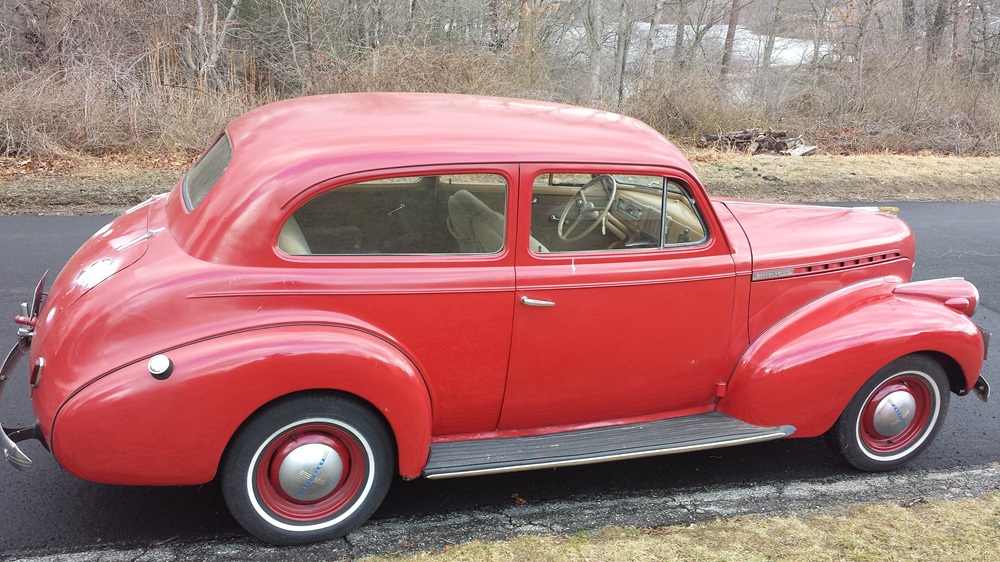
In 1949, four years before I was born, my father bought a used 1940 Chevrolet Master Deluxe 2 door sedan. In 1958 he bought a brand-new Chevrolet Belair 4 door sedan with a rare 348 cubic inch V8 engine with a 4-barrel carburetor. To help finance the purchase he sold the ’40 Chev.
In 1960, because he wanted a more economical car to drive to work, he repurchased the ’40 Chev. He was disappointed in the poor condition he found the car in just two years after he’d sold it, but bought it anyway, better the devil you know than don’t. He had the cylinders re-bored, replaced the pistons and rings, and repainted the car a light green with a white top. We named the car the Green Hornet.
When I got my license in 1969, I drove the Belair for a while. My father thought better of this and assigned me the ’40 Chev. The Belair could get up to 120 mph. The ’40 Chev could get up to a max of 70 mph. I know this because I did get the Belair up to 120 mph.
In the 20th century, having a car was a rite of passage for any teenager. Along with this came the responsibility to learn how to change spark plugs, re-gap them, set the points on the distributor, replace the rotor, change the oil, change a flat tire, check the oil, the water, the gauges, etc. If you didn’t learn this stuff and you got stuck — well, with no cell phones you were on foot and hitchhiking to the nearest place that had a phone. It happened, but you did all you could to avoid it. That meant learning how an internal combustion engine worked and how to fix it, or at least how to get it to a garage where it could get fixed.
The ’40 Chev had a 3-speed manual transmission. The shifter was on the steering column and the gears shifted in the shape of an H. Reverse upper left, first gear lower left, second gear upper right and third gear lower right. Neutral was in the middle of the H.
The gears were not synchro-meshed. If you missed a gear, you ran the risk of stripping the teeth on the gears and damaging the transmission. When shifting between first and second there was a jog in the middle of the shift as you passed the middle of the H to get to the upper right position where second gear was. In order to not miss the shift and not damage the transmission, often in the middle of the shift the driver would pause the shift, disengage and reengage the clutch pedal to facilitate a smoother shift. This maneuver is called “double clutching.” After hitting second gear it was fun to floor the gas pedal and rev up the RPMs, then drop — or rather slam — the shifter down into 3rd gear.
We sold the car in 2015. We had held onto it until my father passed that same year. He had done a ground-up restoration in the 1990s. By 2015 the car needed another paint job. I’m sure it’s still on the road today, putting smiles on the faces of those who see it.
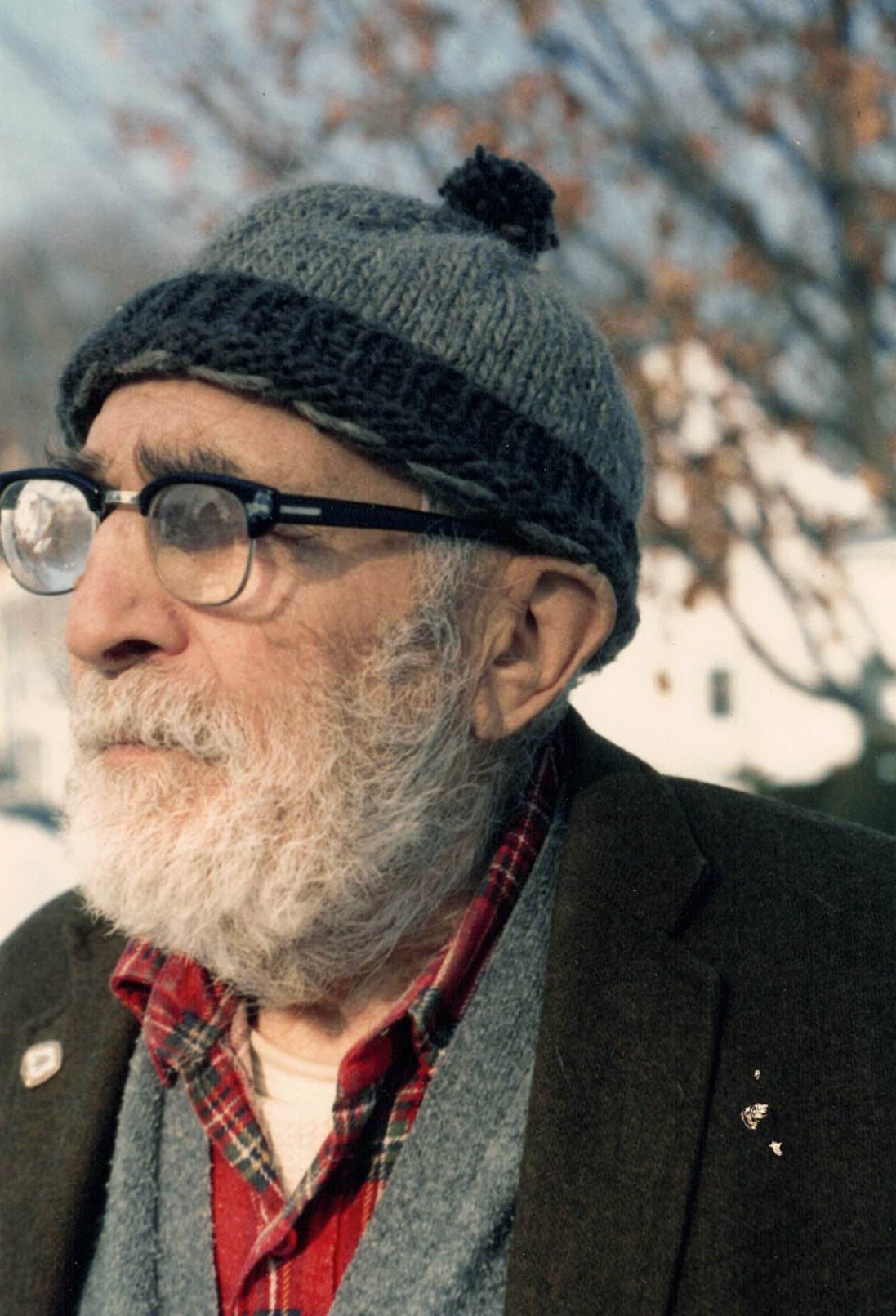
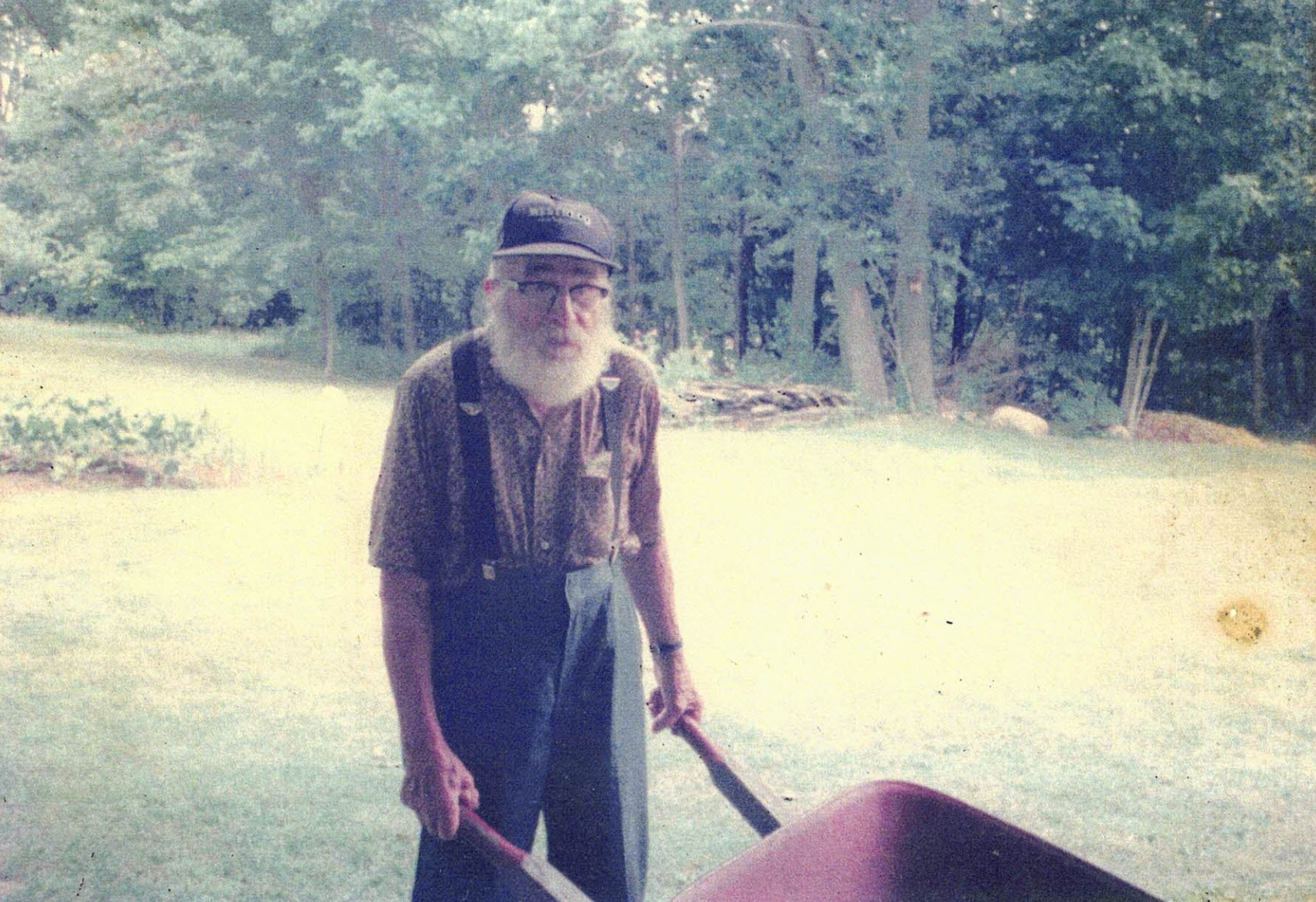
Papa Joe Fritch was my grandfather-in-law. He was born in 1905 to immigrant parents from either Czechoslovakia or Germany — no one really knows. He had an 8th grade education which in the 1960s was equivalent to a 12th grade education, and today, a college degree. He excelled in math. He was a carpenter by trade and a family man by choice and instinct. He was a strict utilitarian. In an age where using what you had could make the difference between eating or not, he was accustomed to making do. He was a very clever man who used what wits God gave him to create, save and share. All essential habits of Depression Era folks. He was independent to a fault. But never mind his faults, he had ‘em like it or not. As you can see in the photos the clothes he wore were for wear, not show. If he lost a sock, he’d wear the other sock with another that didn’t match. Why throw away a perfectly good sock?
His carpentry didn’t pay much money. But still he managed to save. He didn’t save his money in a sauerkraut can — he used a bank. Even so, if you saw him on the street in his tattered and unmatched clothes, you’d be tempted to give him some money. No need. If you needed $100,000.00, he’d loan it to you at 6% interest. And without calculators, computers or a smart phone, he’d write out the amortization schedule showing the interest, principal and balance payments.
Papa Joe died in March 1999 at the age of 93, leaving his family — including grand and great grandchildren — all he had. He worked hard all his life and saved harder. He lived and worked for his family. Never complained about not having enough. He always had enough… well, except hot water!
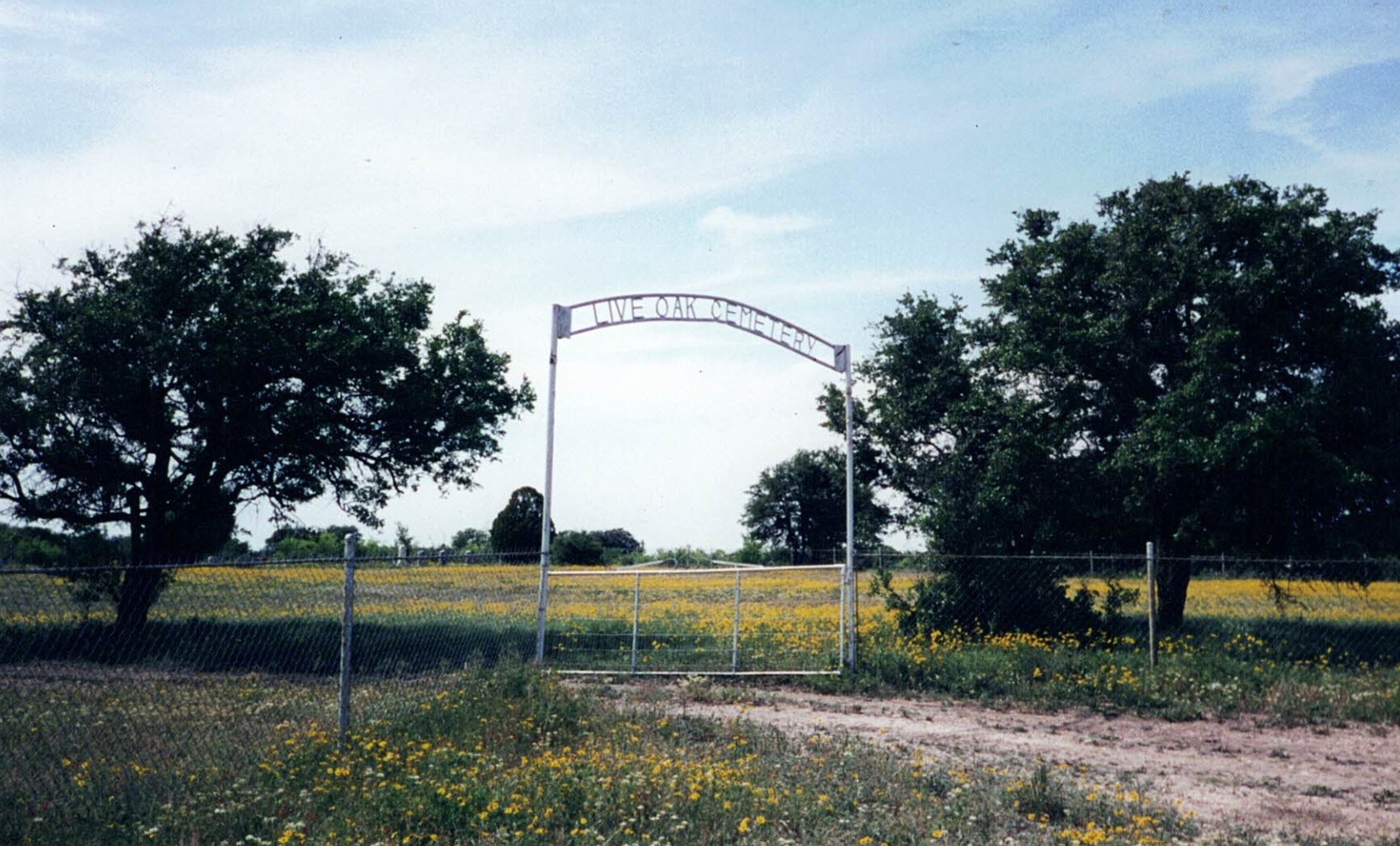
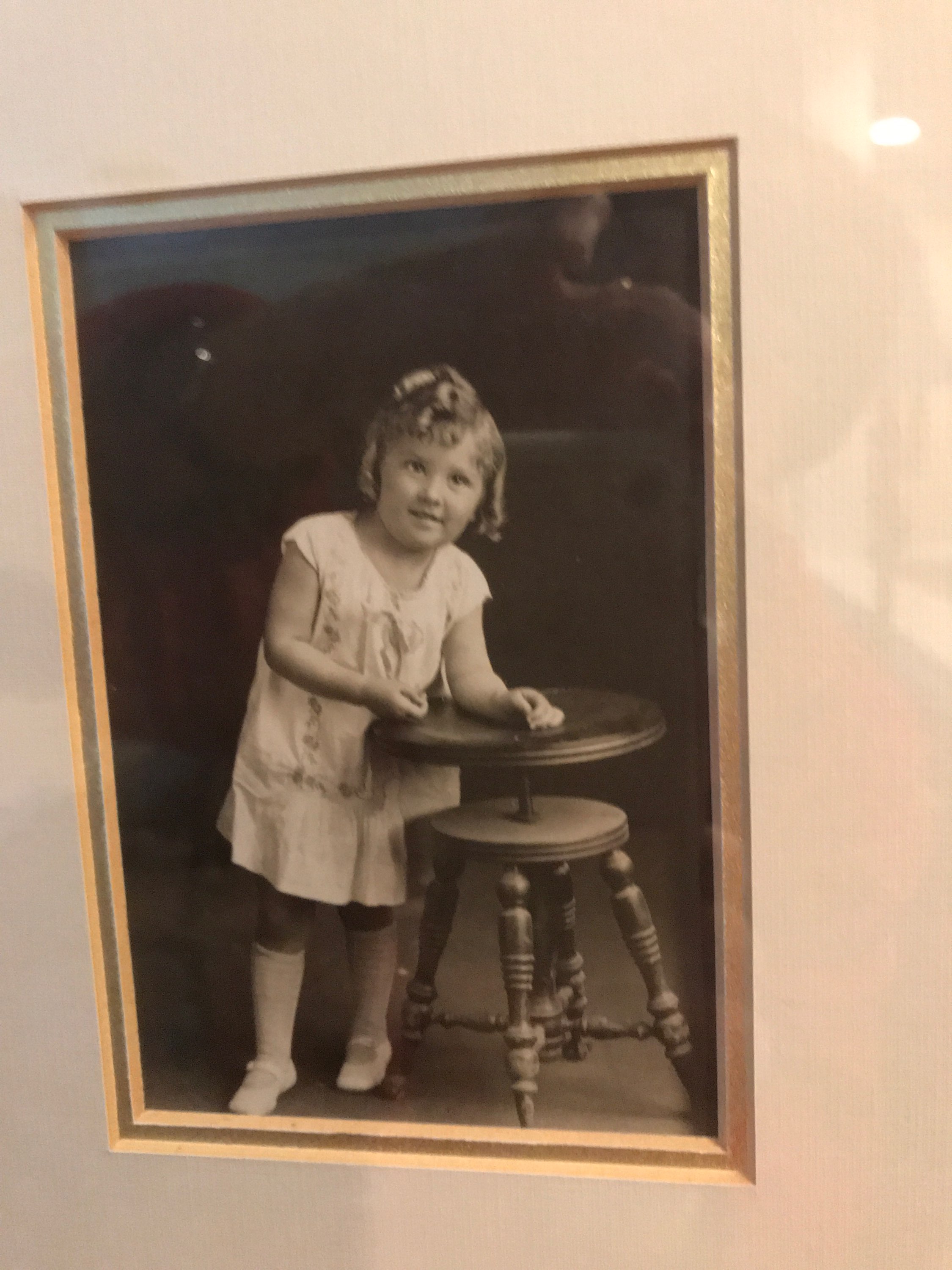
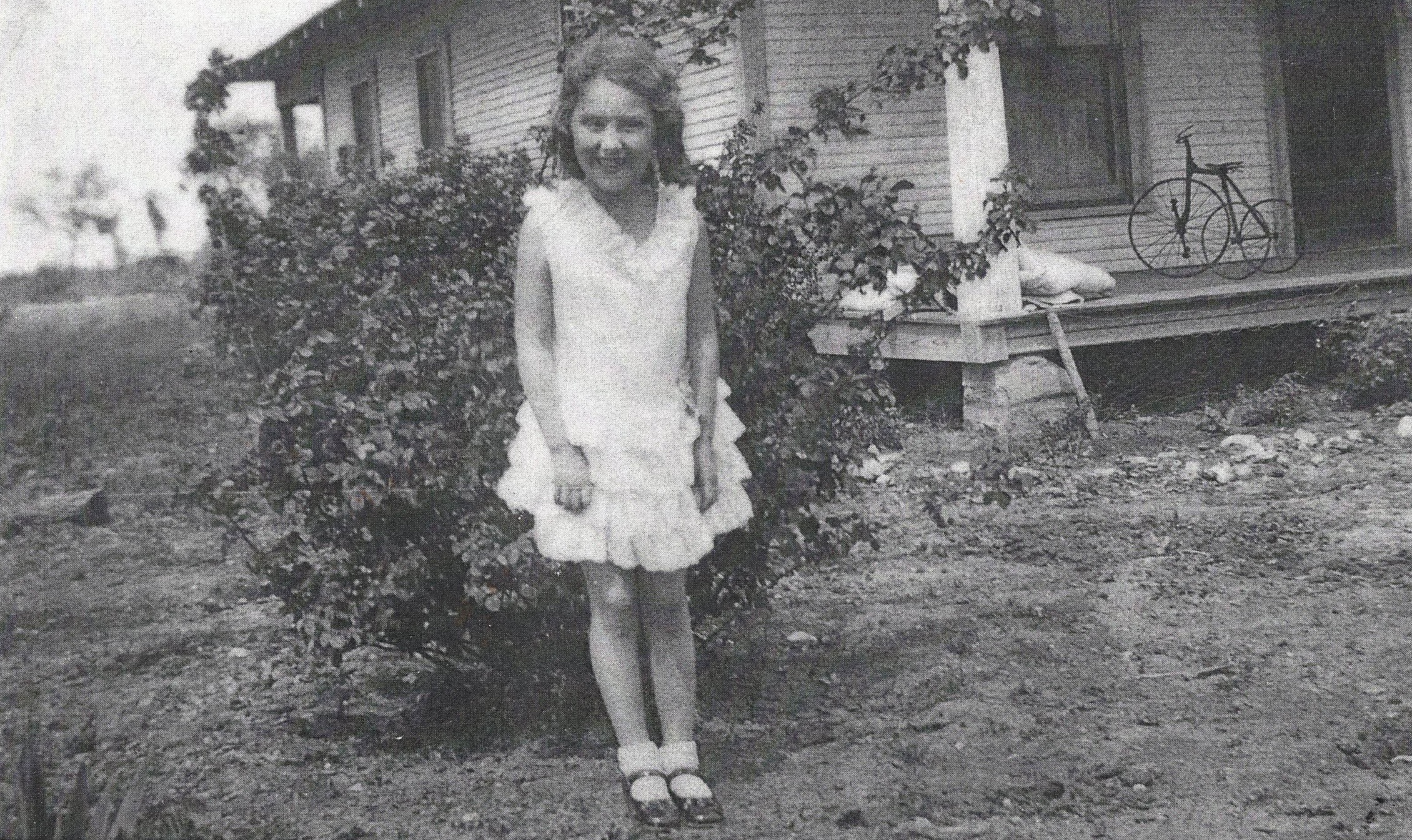
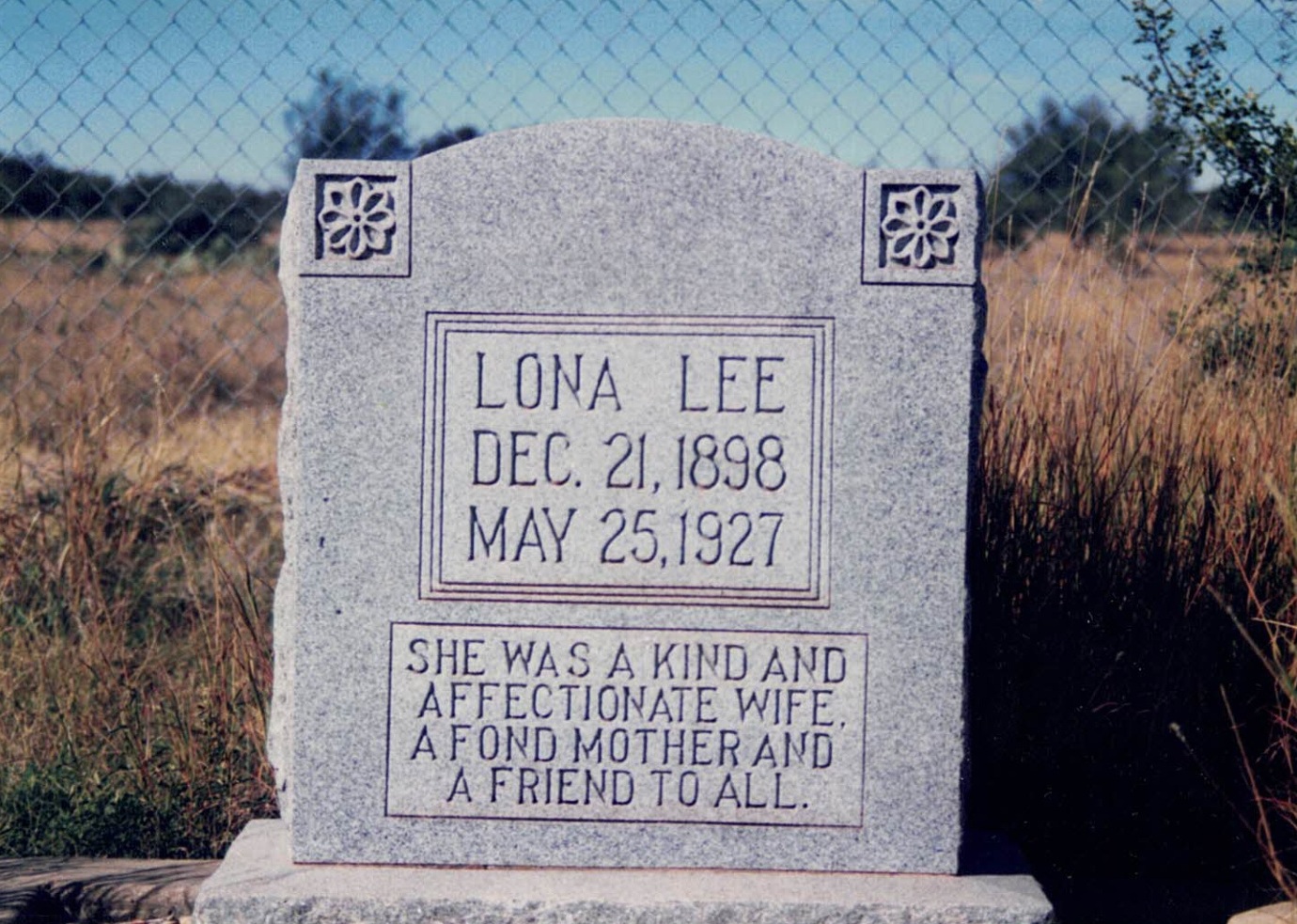
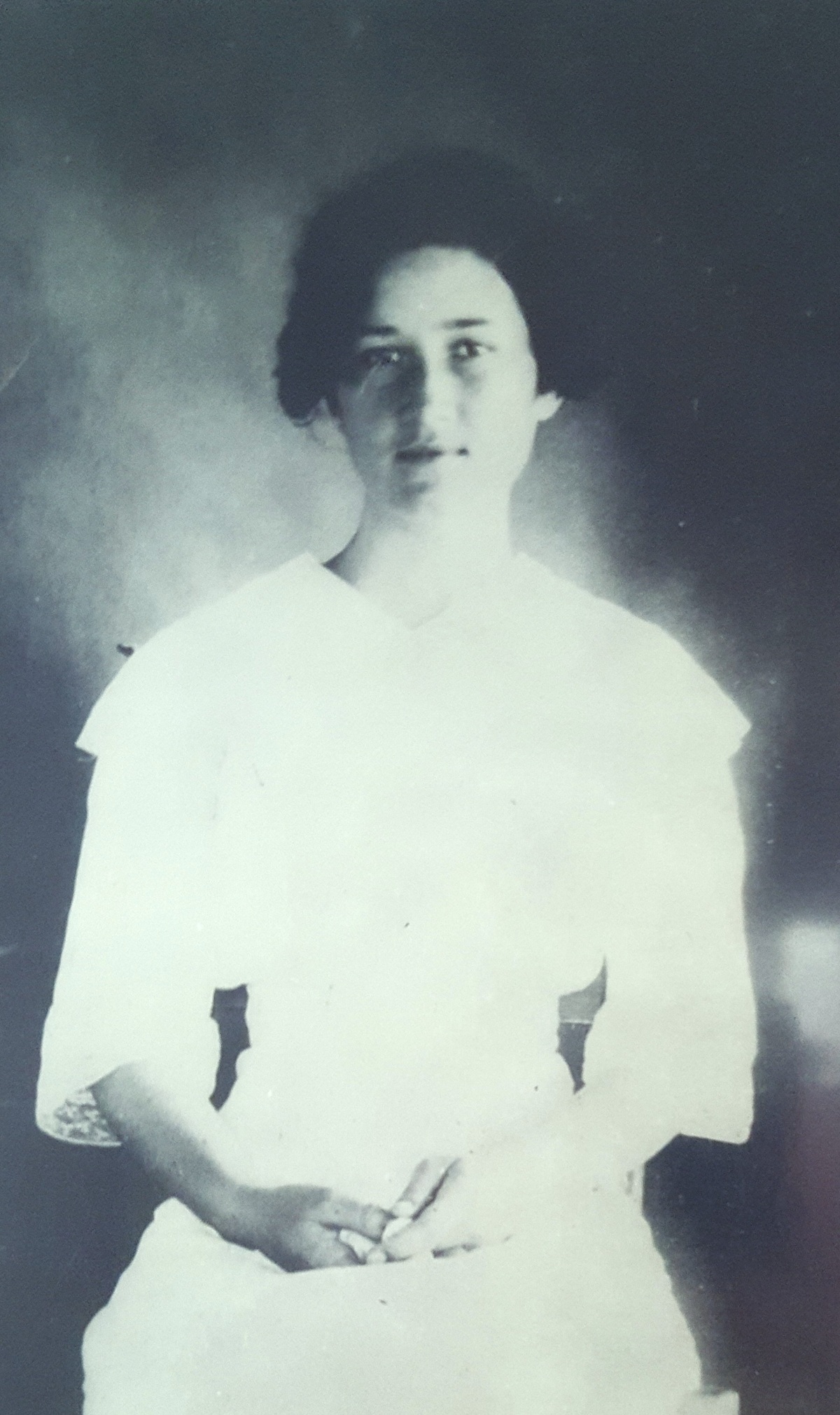
Lona Lee (née Davis) was born in 1898 in Eden, Texas. She was married to Asa Lee in 1917. They were my maternal grandparents. They had three children, two boys and a girl. My mother, the youngest of the three, was born on her mother’s birthday, Dec. 21, 1923. She was named Lona after her mother. Unfortunately, my grandmother contracted tuberculosis about a year and a half later. She succumbed to the consumption, as it was called back then, on May 25, 1927. At just 28 years old she left a family heartbroken. Her husband, Asa, was so grief stricken he sold the ranch, left the children with relatives, and took off to find a reason to live. He found religion along the way and in 1929 married Pearl Seay (Cee) in Rabun, Georgia. That same year he finally returned to Texas to bring his children with him to join his new wife and new life as a Preacher in Georgia.
Asa was a tall man. He had a gentle disposition but his temperament, governed by 19th century discipline, was austere. After my grandmother had passed he lost all interest in the world. He devoted his life to his faith and took a vow of poverty — not a very good thing for his children. During the week he was a sharecropper and, on the weekends, he was the Preacher.
The drastic change in lifestyle from ranch kids to the Preacher’s kids was difficult for my mother and her two older brothers. When World War Two broke out the children left Georgia to help Uncle Sam. My mother was “Rosie the Riveter.” She had moved to Connecticut and gotten a job as a welder, helping in the war effort building submarines. For my mother home was always Texas, but as long as my Grandfather Lee was alive, she’d make the pilgrimage to Georgia.